
Lynnwood Light Rail and Real Estate: What to Expect
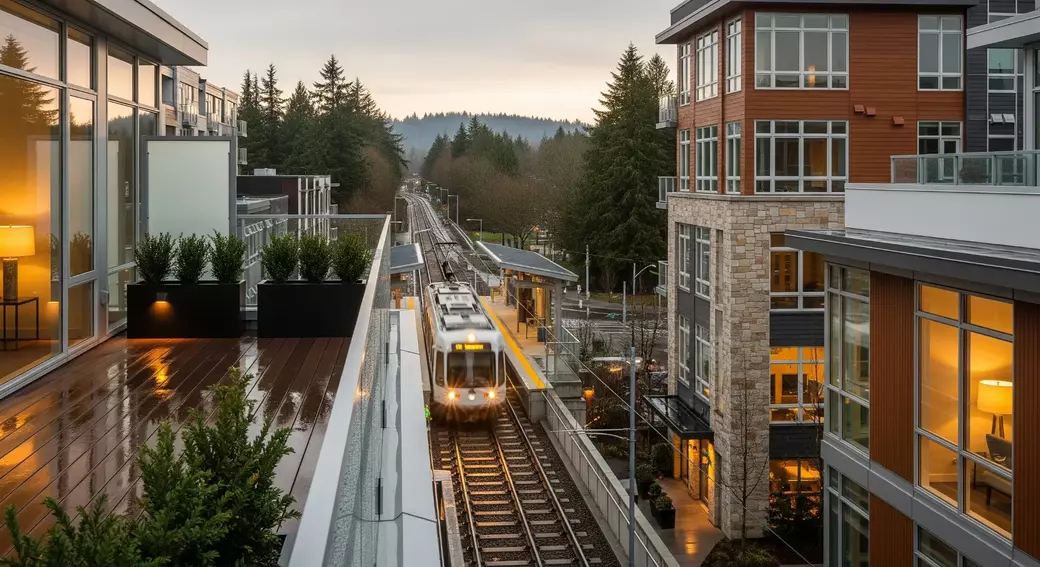
Is the Lynnwood light rail about to change how you live, work, and move around the region? If you are buying or selling in Snohomish County, you are likely weighing what transit access will mean for commute time, neighborhood feel, and future value. You want clear guidance without hype. In this guide, you will learn what the Lynnwood Link means for daily life, the tradeoffs of living near a station, and practical steps to make a confident decision. Let’s dive in.
What the Lynnwood Link means for you
The Lynnwood Link brings fixed-guideway rail into Snohomish County and connects you directly, or with a single transfer, to central Seattle and the University District. The extension integrates with the broader Link system and regional buses so you can reach jobs across the metro with fewer surprises from traffic. You can review project goals, routes, and service planning on the official Sound Transit site. Start with the main page for Sound Transit to explore Lynnwood Link resources.
For many residents, the biggest win is reliability. Rail is separated from highway congestion, so travel times are more predictable, even during peak hours. Around stations, you can expect better first and last mile options, including feeder buses, improved sidewalks, and bike access. The City of Lynnwood has aligned station-area zoning to support mixed-use development and safer pedestrian connections.
Commute experience: the door-to-door reality
When you evaluate your commute, focus on door-to-door time, not just the time spent on the train. Add your walk or bike time to the station, any transfer, and your walk on the arrival end. Regular, frequent service reduces the waiting between steps, which lowers stress.
Check planned frequencies and headways in the service plans and timetables from Sound Transit. Integrated fares through ORCA can simplify costs, and some employers offer transit benefits that reduce your monthly spend.
If you plan to drive to the station, consider how park-and-ride policies and local traffic patterns may affect your schedule. Cities often adjust parking approaches over time to encourage transit access and safe streets near stations.
Station-area demand drivers to watch
Living near a station can be a smart move, but demand varies block by block. Watch for these features:
- Walkability and safety: Continuous sidewalks, marked crossings, and short blocks make a 5 to 15 minute walk feel easy. The quality of the walk matters more than the raw distance.
- Daily services close by: Grocery stores, coffee, restaurants, and neighborhood services within a short walk raise convenience and day-to-day livability.
- Bike and micromobility options: Protected lanes, secure bike parking, and scooters expand your reach to the station without a car.
- Housing mix and product type: New transit often brings more multifamily options and smaller-lot homes. If you prefer single-family living, consider how the area’s mix is evolving.
- Parks and public spaces: Plazas, pocket parks, and community programming near stations support a lively neighborhood feel.
- Access to major job centers: Fewer transfers and frequent service to your destination increase value, especially for those heading to downtown Seattle or the University District.
- Parking flexibility: If you own a car, consider whether the property includes parking or if street parking aligns with your routine.
- Development pipeline: Planned projects can bring more amenities and activity, along with construction and shifting traffic patterns. The City of Lynnwood shares station-area planning updates, and the Puget Sound Regional Council provides regional growth context.
Buying near the stations: timing and tradeoffs
Timing your purchase matters. Buying before full service can mean a lower price relative to post-opening premiums, but you may experience short-term construction disruptions and some uncertainty around the final service pattern. Buying after opening reduces uncertainty, though the convenience may be partly priced in.
Location choices also involve tradeoffs. Homes closest to the station maximize convenience and often see stronger demand, but they may come with more activity and ambient noise. Properties a few blocks away can be quieter and more affordable while still delivering a quick bike or bus connection to the platform. If you value long-term growth potential, areas with transit-oriented zoning can be promising, but expect more new development.
Financing and appraisal will depend on comparable sales. In fast-changing neighborhoods, comps can be tricky because markets may be adjusting to new transit access. If you are considering a condo, weigh HOA costs, rental rules, and the supply of new buildings coming online near the station.
Selling near the stations: strategy and positioning
If you are selling, highlight proximity to the station with accurate, verifiable details. Aim for clarity about walking routes, distance estimates, and nearby amenities. Avoid guarantees about future appreciation and instead focus on the everyday convenience buyers can confirm.
Use recent comparable sales to support pricing, but remember that station-area dynamics can shift quickly. If there is active construction nearby, set expectations about noise or access and frame those impacts as temporary. Clear, concise marketing that showcases lifestyle benefits can attract buyers who value transit.
How to evaluate a specific property
Use this quick, evidence-based checklist:
- Commute test: Map both ends of your trip and practice your door-to-door route at peak times. Review service frequency on Sound Transit.
- First and last mile: Walk the route to the station. Note sidewalks, crossings, lighting, and bike options.
- Station environment: Visit at different times of day to gauge activity, noise, and comfort.
- Parking and access: If you need a car, confirm home parking and check park-and-ride dynamics.
- Zoning and future changes: Review station-area plans on the City of Lynnwood site for land use, height allowances, and projects in the pipeline.
- Property records and taxes: Check parcel details with the Snohomish County assessor.
- Fare planning: Estimate monthly costs using ORCA products and consider any employer benefits.
Noise, safety, and community context
Noise and vibration are common concerns. Project design typically includes mitigation measures near tracks and stations. For specifics, review project environmental materials from Sound Transit and talk with neighbors after service begins.
Cities and agencies also invest in pedestrian lighting, crossings, and traffic calming around stations. This work supports safer walking and biking and can improve the daily experience for residents.
Who benefits most from station-area living
If you value predictable commute times and want the option to go car-light, living near the Lynnwood stations can be a good fit. If you prefer a quieter residential feel with less foot traffic, you might look a few blocks away and use bikes or buses for the last mile.
Families often weigh transit convenience alongside school considerations. Transit access does not change school boundaries, so review official district materials as part of your decision.
A local plan for buyers and sellers
Buying near transit is both a lifestyle and an investment choice. Focus on how the neighborhood functions today, what is actively under construction, and what is planned. Use station-area plans from the City of Lynnwood, regional context from the Puget Sound Regional Council, and timetables on Sound Transit to validate your assumptions.
If you want a clear, data-informed strategy tailored to your goals, I am here to help. With decades in the Seattle metro and a boutique, high-touch approach, I can guide you through pricing, timing, and property selection near the Lynnwood Link.
Ready to explore your options near the stations or a few blocks out? Connect today for a tailored plan and curated property list.
FAQs
How will the Lynnwood Link change my commute from Lynnwood to Seattle?
- Expect more predictable travel times and fewer traffic-related delays; confirm routes, transfers, and frequency on Sound Transit, then add first and last mile time for a realistic door-to-door estimate.
Will homes near Lynnwood stations gain value because of light rail?
- Research often finds positive effects near rail, but results vary by local supply, zoning, and amenities; use recent local comps and monitor station-area sales to gauge realized changes over time.
Is it better to buy right next to a Lynnwood station or a few blocks away?
- Choose based on your lifestyle: closest maximizes convenience and demand, while a few blocks away can be quieter and priced more modestly while retaining transit benefits.
How do park-and-ride lots affect neighborhood traffic near stations?
- Park-and-rides concentrate peak traffic around arrival and departure times; cities may refine parking policies as transit access and pedestrian options improve.
Are condos near the Lynnwood stations a good investment?
- Condos near transit attract renters and urban-focused buyers; evaluate HOA fees, rental rules, and the local pipeline of new buildings to understand supply and long-term holding costs.
Where can I confirm local zoning or property details around the stations?
- Check station-area plans and zoning on the City of Lynnwood website and parcel records with Snohomish County to verify lot specifics, taxes, and any planned changes.
Categories
Recent Posts





GET MORE INFORMATION